Removing hydrogen sulfide (H₂S) from biogas
About
Hydrogen sulfide is a characteristic pollutant of biogas. Depending on the biogas end-uses, the removal of H2S is essential to protect health, machinery and the environment, and to keep air smelling fresh. Activated carbon dry scrubbing is an effective technology to remove H₂S from biogas. Understanding the role of different process parameters is key. Following extensive research and testing, DESOTEC has developed a special impregnated carbon type for use in biogas applications. Its enhanced adsorption capacity boosts cost-effectiveness for our customers.
Why remove H₂S from biogas?
H₂S in biogas causes odours, as well as sulphur emissions when the gas is flared or burned off in a CHP genset to produce electricity.
It’s also corrosive. Therefore, when biogas is used in internal combustion engines and turbines, H₂S removal is necessary to protect the equipment. When biogas is upgraded into biomethane by passing it through membranes, H₂S must be removed to protect the membranes.
How feedstock affects concentrations of H₂S
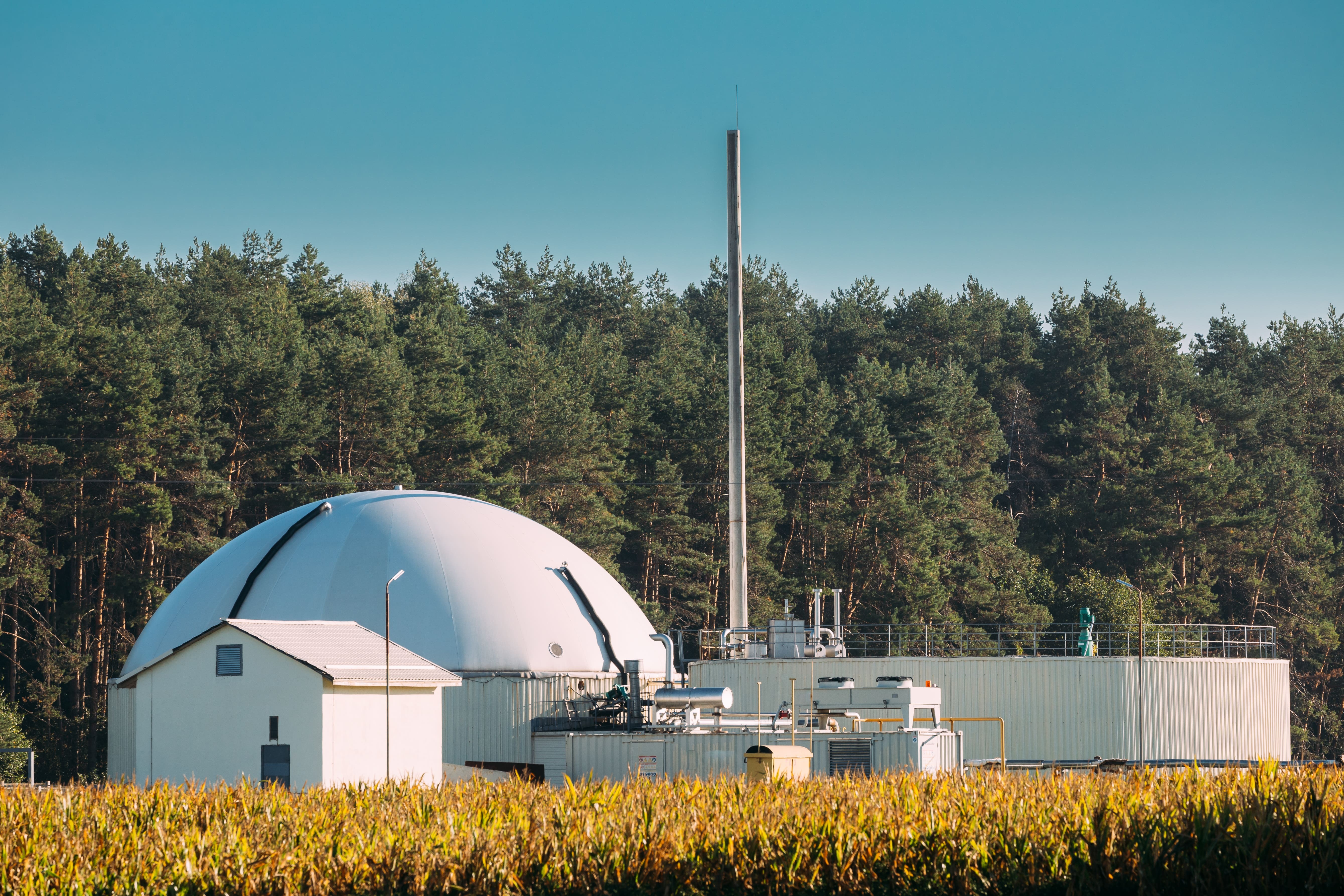
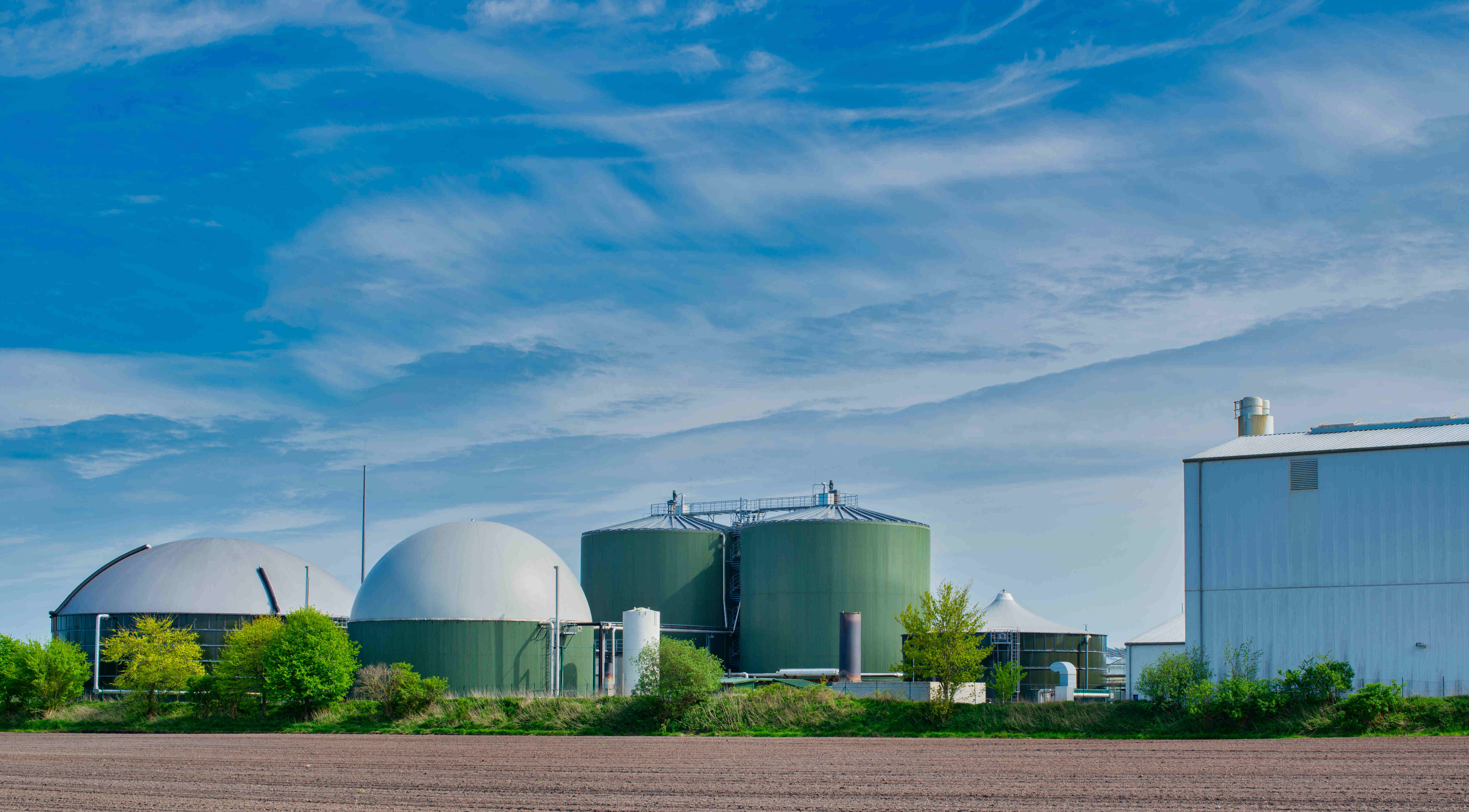
Concentrations of H₂S vary depending on the digester feedstock’s substrate and inorganic sulphate content. Wastes which are high in proteins containing sulphur-based amino acids (methionine and cysteine) can significantly increase biogas H₂S levels.
In biogas from landfills, construction waste are a massive source of hydrogen sulphide.
H₂S removal technologies
There are several technologies to remove H₂S from biogas. When comparing different technologies, it’s important to consider not only the CapEx and OpEx related to the adsorbent onsite operations, but also staff safety & health, waste management, environment protection, profitability, potential downtime rate of the biogas plant induced by onsite spent adsorbent changeout, in particular.
No interest to introduce other scavenging technologies as the here-mentioned ones are specific of primary desulphurization steps and not of polishing steps where AC grades are the most efficient, most widely used and cost-effective (long-term TCO wise).
Activated carbon removal of H₂S: DESOTEC’s innovation
Theoretically any type of activated carbon can remove H₂S from biogas to some extent. It is adsorbed on the carbon surface, where it can be oxidised to produce sulphur.
For cost-effective H₂S removal from biogas, the removal capacity and efficiency rate of virgin activated carbon are boosted by chemical impregnation.
DESOTEC’s R&D team has carried out extensive research to improve the H₂S removal properties of activated carbon used in the biogas purification process.
Process parameters for H₂S removal
The hydrogen sulphide removal rate of impregnated activated carbon depends on the operating conditions. The main parameters to look at for an optimal removal efficiency are:
- Relative humidity
- Molar ratio of H₂S to O₂
- Temperature
Effect of the relative humidity on H₂S removal
Hydrogen sulphide can be removed from wet biogas as it leaves the digester, or on dried gas.
DESOTEC tested different types of activated carbon products at different relative humidity rates in a dynamic pilot test for H₂S removal.
Typical H₂S breakthrough curves for a specific activated carbon type versus different relative humidity rates are shown below. The higher the relative humidity the later the filter breakthrough. Besides, faster H₂S removal kinetics are noticed at higher humidity.
However the biogas plant operator must avoid any water condensation on activated carbon granules.
Temperature effect on H₂S removal
Biogas temperature are usually ambient temperature, e.g. in the range 20 to 40°C from AD digesters. This has no significant impact on the H2S removal, in comparison with that one of relative humidity and oxygen.
DESOTEC’ Innovation
Based on this R&D work, DESOTEC developed the activated carbon portfolio with the grades called Airpel®Ultra DS and R-Pure 1-DS8, encompassing extruded impregnated activated carbon with enhanced adsorption capacity for H2S removal. It is especially designed for biogas purification.
The activated carbon grade R-Pure 1-DS8 is made of renewable bio-sourced raw material.
DESOTEC’s team is available to provide you with further information about hydrogen sulphide removal in particular, and biogas treatment solutions in general.
No performance guarantee as sales principle, so no figures of loading capacity.
-

Our filtration solutions
We offer a wide range of filter models and carbon grades to suit your industrial water or air purification requirements. -
Reactivation simply explained
Conserving our planet’s precious natural resources is key to a greener future. Reactivating saturated carbon reduces the amount of virgin raw materials needed for filtration, closing the loop and improving sustainability. -

Knowledge Hub
Discover expert resources on air & water purification. Access DESOTEC's Knowledge Hub now.