Chemically activated carbon
About
Chemical activation is achieved by degradation or dehydration of the raw material structure, usually sawdust. The most popular activation chemical is phosphoric acid, although zinc chloride is also still used by some manufacturers. The raw material and dehydration reagent are mixed into a paste, dried and carbonized in rotary furnaces at 600°C.
Chemical activation process: activation by acid oxidation
When phosphoric acid is the activating agent, the carbonized product is further heated above 800°C, during which stage the carbon is oxidized by the acid. The activated product is washed with water to recover the acid and then dried. The recovered acid is concentrated back to the required concentration for reuse. The activity of the final products mainly depends on the amount of activating agent, the furnace temperature and the residence time.
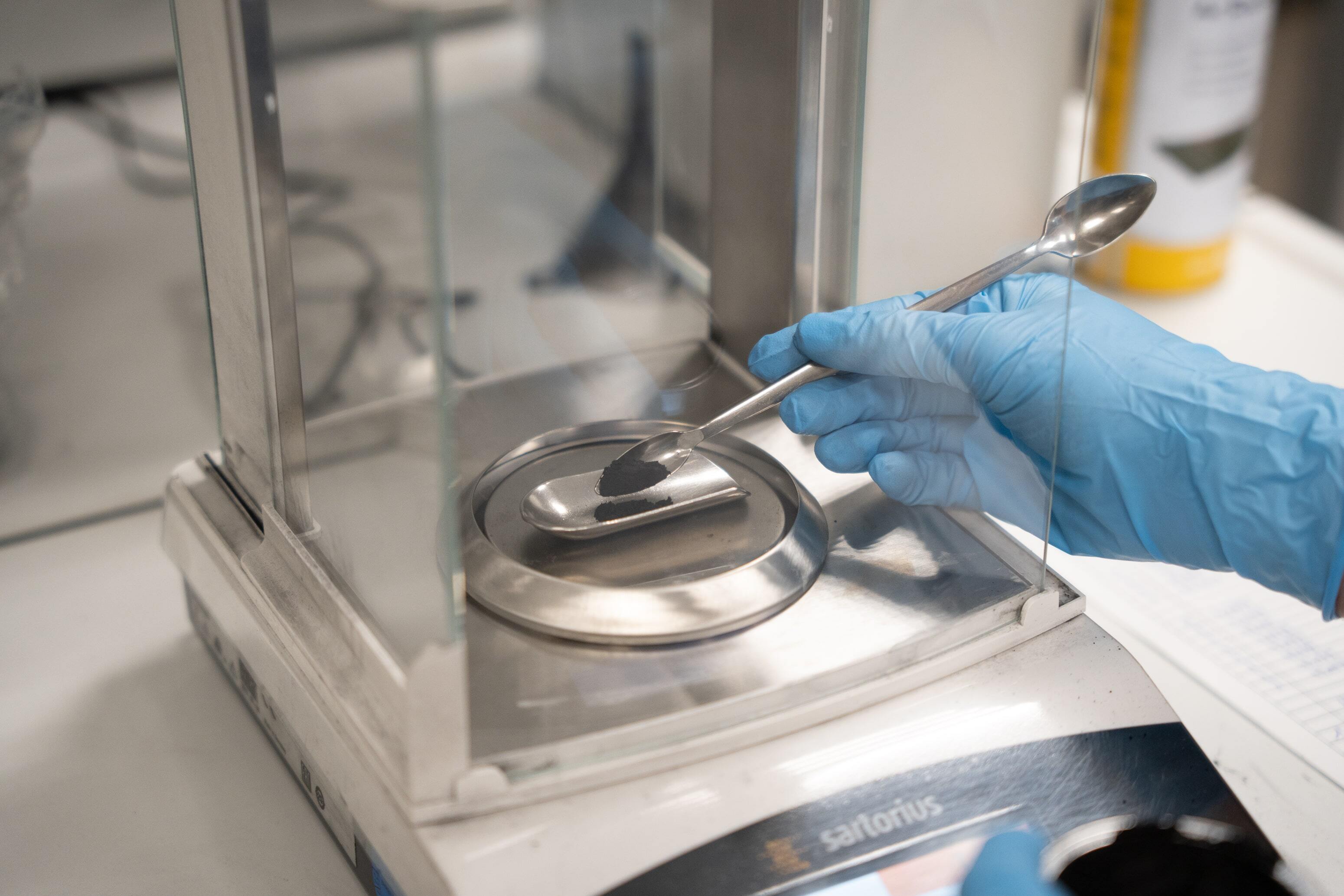

Steam activation
Steam activation can be used to activate almost all raw materials (coal-based, coconut shell-based, wood-based etc.). A variety of methods have been developed, but all of these share the same basic principle of carbonisation and initial oxidation followed by an activation step with steam. The DESOTEC AIRPEL®, R-PURE® and ORGANOSORB® ranges are produced by steam activation
-

Our filtration solutions
We offer a wide range of filter models and carbon grades to suit your industrial water or air purification requirements. -
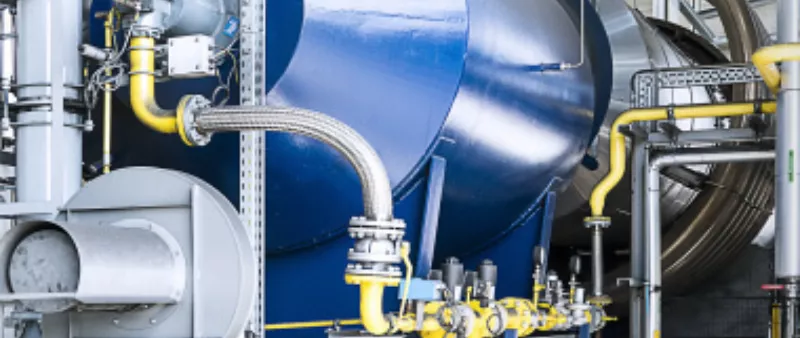
Reactivation simply explained
Conserving our planet’s precious natural resources is key to a greener future. Reactivating saturated carbon reduces the amount of virgin raw materials needed for filtration, closing the loop and improving sustainability. -

Knowledge Hub
Discover expert resources on air & water purification. Access DESOTEC's Knowledge Hub now.