Chlorine half length value
About
The dechlorination reaction rate is often expressed and measured as the chlorine half length value. The chlorine half length represents the granular activated carbon bed depth required to reduce the chlorine concentration by 50% under the defined test conditions.
Dechlorination performance of activated carbon
Several methods are used to evaluate the dechlorination performance of activated carbon on a laboratory scale. These methods differ in flow rate and bed size, e.g. DIN 19603 a 50 cm3 bed at 5 ppm free Cl2 or the proposed ASTM conditions of 25 cm3 and 30 ppm free Cl2, but both give carbon bed depth values necessary to reduce the chlorine concentration in the water by half (Chlorine Halving Bed Depth) at a linear velocity of 3.6m/h (360cm/h; 6cm/min).

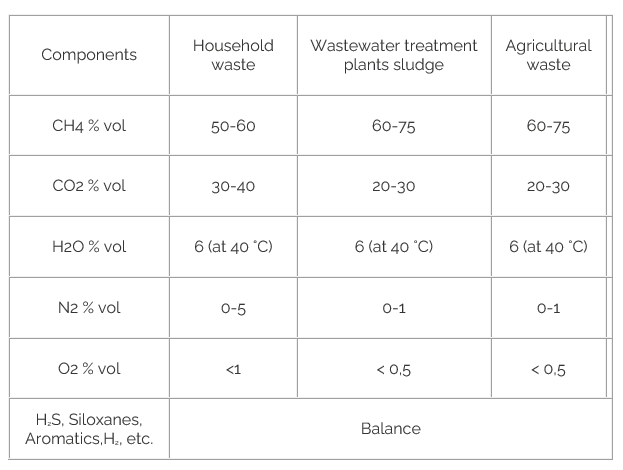
What is biogas: composition
During anaerobic digestion, organic material is broken down in several steps by different types of micro-organisms. The end products are a gas containing mainly methane and carbon dioxide – called biogas - and a slurry or solid fraction consisting of what is left of the digested substrate – called digestate. The biogas composition and the yield of biogas will depend on the substrate composition used during the anaerobic digestion.
Complete biogas solutions by DESOTEC activated carbon
In order to increase the quality of the raw biogas, the gas is usually purified from unwanted substances such as hydrogen sulphide, oxygen, nitrogen, water and particulates. The main reason for this is to prevent corrosion and mechanical wear of the equipment in which the biogas is used. DESOTEC is the leader in biogas purification in the agricultural and food industry, landfills and municipal sewage treatment stations. The purification of biogas consists of the removal of hydrogen sulphide and siloxane compounds from the filtered medium.
-

Our filtration solutions
We offer a wide range of filter models and carbon grades to suit your industrial water or air purification requirements. -
Reactivation simply explained
Conserving our planet’s precious natural resources is key to a greener future. Reactivating saturated carbon reduces the amount of virgin raw materials needed for filtration, closing the loop and improving sustainability. -

Knowledge Hub
Discover expert resources on air & water purification. Access DESOTEC's Knowledge Hub now.