Siloxane removal from biogas
About
Raw biogas can contain siloxanes which are deleterious chemicals to the machinery, e.g. cogeneration gensets producing electricity, or causing tremendous loss of performance of membranes used during the biogas upgrading for biomethane production.
What are siloxanes?
Siloxanes are silicon-based organics synthesized by the chemical industry. By the way, the word Siloxane is derived from SILicon, OXygen, and alkANE. When polymerized, siloxanes are known as silicones. Siloxanes belong to the generic and broad family of Volatile Organic Compounds (VOC).
Siloxanes are stable substances, providing hydrophobic properties, low viscosity and low toxicity when incorporated in daily-life goods. They are widely used as intermediates, solvents, skin conditioners, surfactants, polymers and functional liquids in products available to consumers such as cosmetics, natural health products, appliances electronics, medical equipment, adhesives and sealants, as well as in industrial applications (paints and coatings).
The cosmetics industry in particular is a huge consumer of siloxanes and silicones.

Why remove siloxanes from biogas?
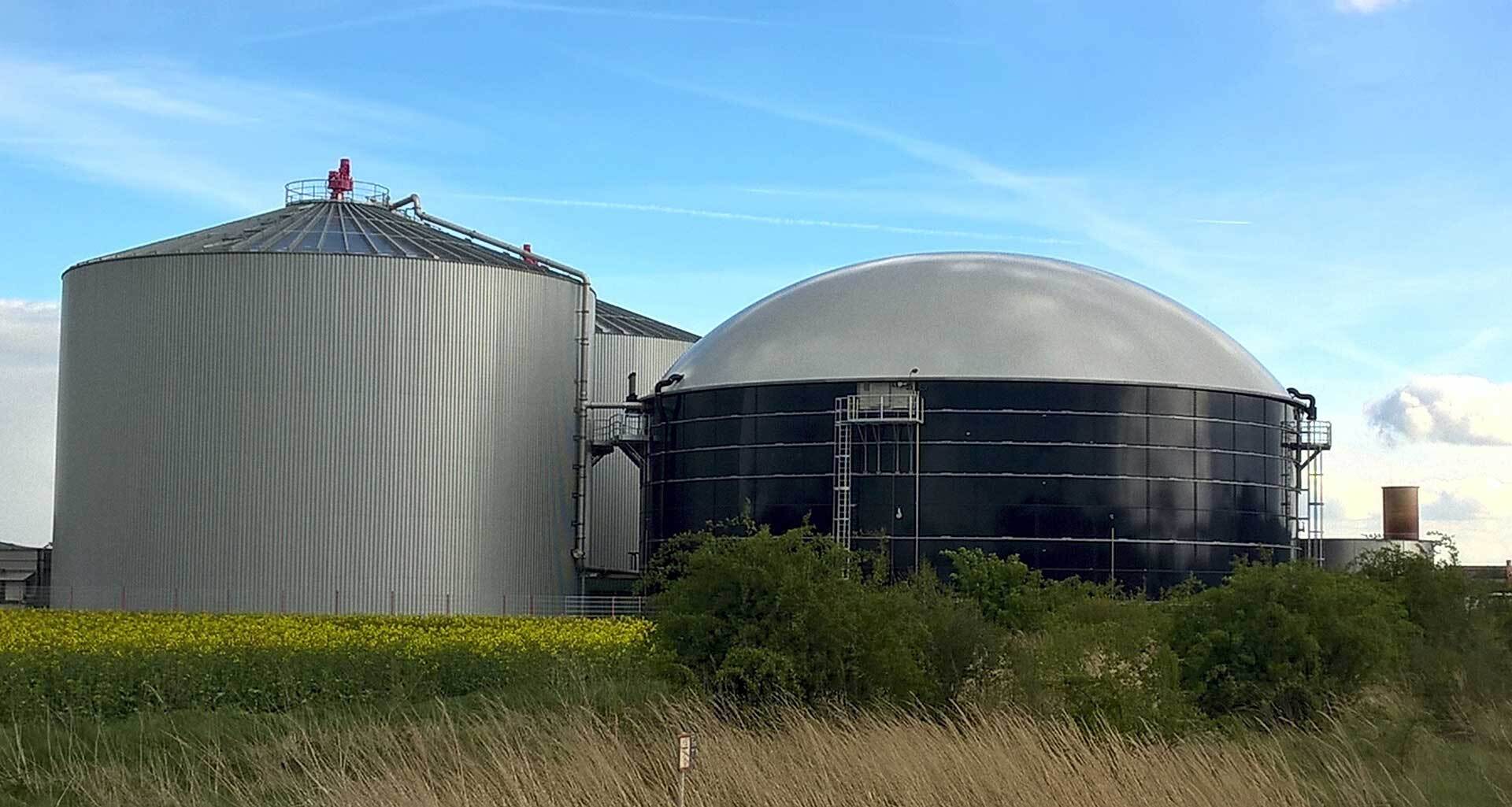
Spent consumer goods, construction waste, and municipal solid waste contain therefore siloxanes and silicones. When they are disposed of or treated in wastewater treatment plant, they can volatize and be incorporated in raw biogas. Biogas from those latter facilities may contain up to around 100 mg/Nm3 siloxanes. Siloxanes concentration of biogas from manure, agricultural residues and food waste is by far lower.
Biogas and landfill gas may contain different types of siloxanes depending on feedstocks.
Electric and thermal pathways
If not removed upstream, siloxanes are broken down into solid silica (SiO2) though combustion in turbines, boilers, or combustion engines. Combined with high temperature, this leads to the irreversible formation of hard and abrasive silica deposits on moving parts -e.g. pistons, turbine blades-, causing wear and unbalance, and also on fixed parts -e.g. heat exchangers surfaces-, causing hindering fouling, clogging, and performance loss of heat exchange.
Even a small amount of siloxanes in raw biogas can cause a 10-20% reduction of the total power yield of the CHP genset, double the frequency of motor oil change, damage the engine, and cause possible breakdowns and even premature engine replacement.
So, it’s essential to purify biogas from siloxanes to guarantee the expected and sustainable performance of downstream machinery.
Biomethane pathway
Upgrading biogas into biomethane consists in removing the major part of carbon dioxide initially contained in raw biogas. Various off-the-shelf technologies are available to achieve this, one of which in membrane separation. Over years this technology has been gradually increasing its market share across European biogas plants and is currently the most widely operated.
Membranes are made of polymer rather sensitive to VOC including siloxanes. A small amount of VOC, typically below a few mg/Nm3 biogas, can lead to a catastrophic loss of membranes performance, nevertheless recoverable under specific conditions (cleaning with VOC-free biogas for a couple of hours) but meaning a significant downtime of the upgrading system.
In an intermediary situation the compression (up to 20 bar) need is increased leading to higher OpEx.
Activated carbon dry scrubbing is an effective and sustainable technology for the removal of siloxanes in particular, and VOC in general. It protects process equipment and reduces O&M costs.
How do we remove siloxanes from biogas?
DESOTEC’s biogas purification solutions remove siloxanes as well as VOC in an efficient and cost-effective way.
High-quality grades of non-impregnated activated carbon are used to capture siloxanes along with volatile organic compounds (VOCs). In most cases, once saturated with siloxanes and VOC, these grades can be reactivated and reused for another cycle of biogas purification.
Spent activated carbon in closed and airtight mobile filter are taken back and transported to DESOTEC’ reactivation furnaces.
DESOTEC offers its customers a full-service and hassle-free solution, from the supply of ready-to-use mobile filter, technical support, waste management and reactivation services.
-

Our filtration solutions
We offer a wide range of filter models and carbon grades to suit your industrial water or air purification requirements. -
Reactivation simply explained
Conserving our planet’s precious natural resources is key to a greener future. Reactivating saturated carbon reduces the amount of virgin raw materials needed for filtration, closing the loop and improving sustainability. -

Knowledge Hub
Discover expert resources on air & water purification. Access DESOTEC's Knowledge Hub now.