Terpene removal during the production of biomethane for cleaner energy
About
As Europe strives to meet ambitious renewable energy targets, companies are stepping up the production of biomethane. DESOTEC’s sustainable mobile activated carbon filters remove terpene from biogas so it can be upgraded into biomethane, helping to fuel the green energy revolution.
The renewable energy landscape: EU targets
Biomethane plays a key role in achieving the EU’s interlinked goals of addressing the climate crisis by boosting green energy, and achieving energy independence from Russia.
The REpowerEU plan sets a biomethane production target of 35 billion cubic metres (bcm) per year by 2030: a more than tenfold increase on the 2020 figure.
It also proposes revisions to the EU Renewable Energy Directive. Currently, the directive sets a binding target of 32% of energy from renewable sources by 2030; this would be raised to 45%, with biogas and biomethane an important part of the mix.
With billions of euros of investments available for renewable energy, production is ramping up. DESOTEC is partnering with companies around Europe that are hoping to start or increase their production of biomethane.
Terpene removal during biomethane production
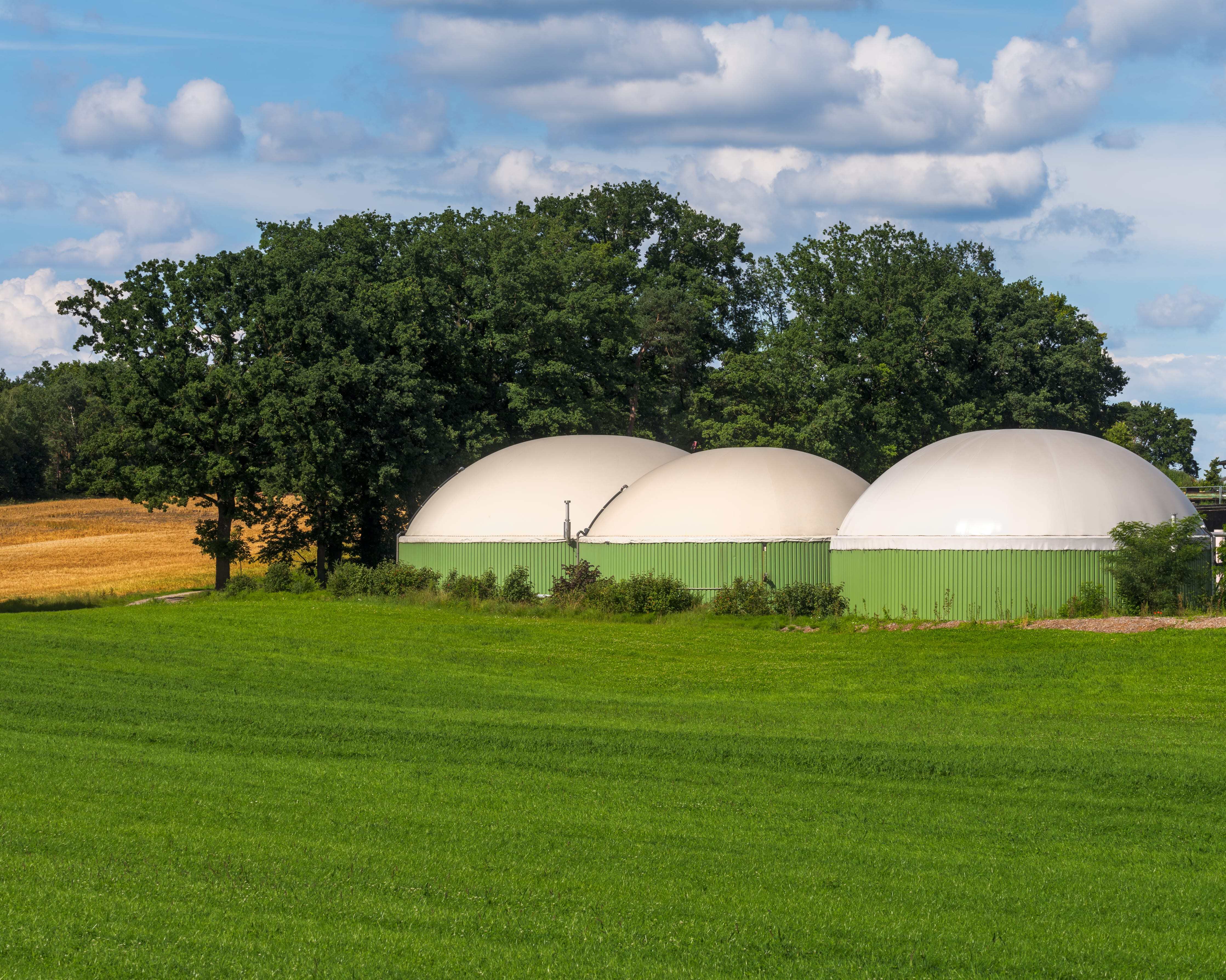
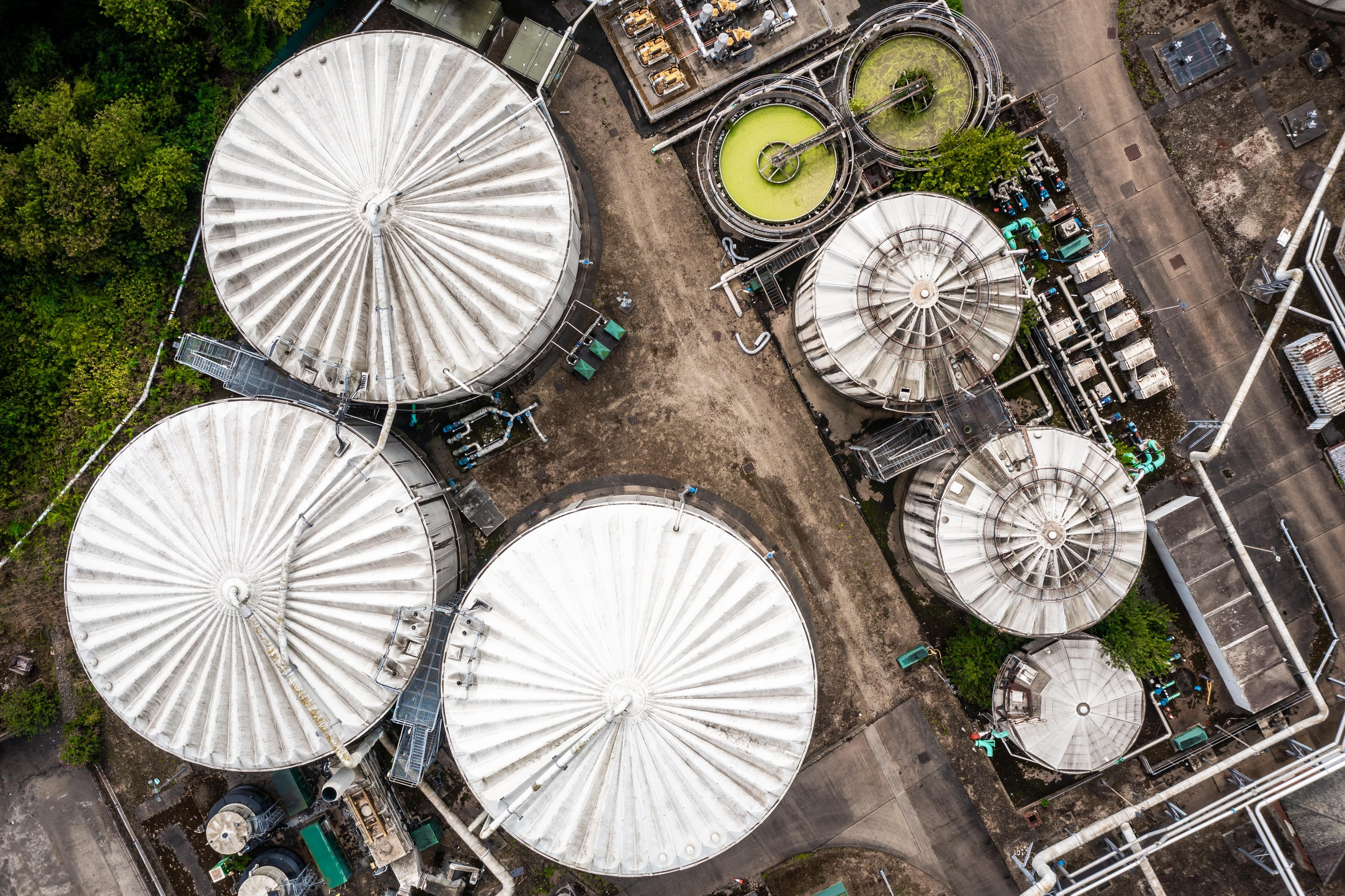
Biogas is produced from feeding organic waste into anaerobic digesters. This biogas is then upgraded into biomethane by passing it through technology such as membranes or scrubbers to purify it of CO₂ and other compounds.
Depending on the feedstock used, these compounds may include: terpenes; siloxanes; hydrogen sulfide (H₂S); thiols; longer alkanes, cycloalkanes; aromatic compounds; droplets (e.g. condensates and aerosols); volatile fatty acids; and alcohols.
Terpenes are a group of organic molecules derived biosynthetically from isoprene, with a basic molecular formula of (C₅H₈)n.
In biogas, they usually come from the fermentation of biological waste such as fruits, vegetables and plants, or from essential oils in cosmetics. Terpenes include limonene, which gives citrus fruits their distinctive scent; and pinene, the aromatic compound found in pine trees.
It’s essential to remove terpenes from biogas to avoid damaging the technology used to upgrade it into biomethane, and protect gaskets and piping from corrosion. Additionally, terpenes may mask tetrahydrothiophene (THT), the odorous compound added to natural gas to aid leakage detection
The advantages of DESOTEC’s mobile activated carbon filtration solutions
DESOTEC’s full-service sustainable mobile filtration solutions are helping businesses do their bit to meet the EU’s biomethane targets.
Our activated carbon filters are simple, plug-and-play technology, which means they can start operating immediately. They are supplied on a rental basis, so require no capital investment. As set-ups are modular, they can flex in line with your business needs.
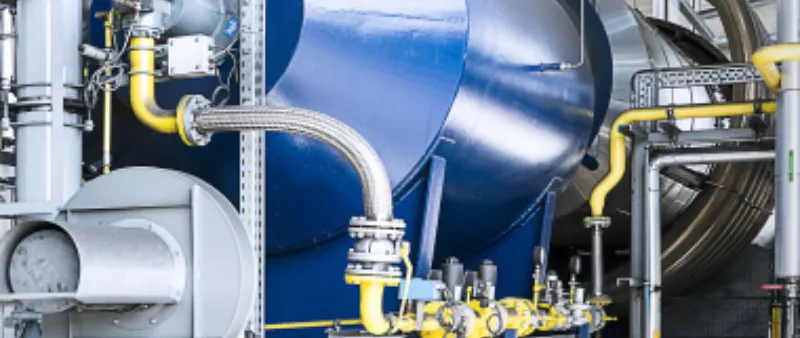
When the carbon is saturated, exchange is swift and easy. All filtration waste is transported in closed units away from customers’ sites and taken to DESOTEC facilities. There, the adsorbed molecules are completely destroyed in our furnaces, and the carbon reactivated wherever possible. Only harmless water vapour is seen exiting the chimney. This circular model keeps costs down and boosts sustainability, helping your business meet its green goals.
DESOTEC: Removing terpenes with activated carbon technology
DESOTEC supplies mobile activated carbon filters to waste management and agricultural businesses to remove terpenes and other compounds during the upgrading of biogas into biomethane.
Case study 1: At this municipal waste management site, 80 000 tonnes of organic waste are anaerobically digested per year. Two Aircon filters filled with Airpel carbon are in place to treat the biogas, which has a flow rate of 1 500 m³/ h. The biogas contains terpenes including 3-carene, limonene, p-cymene and α-pinene, with a total concentration of over 220 ppm. After treatment, the total terpene concentration is <0.1ppm.
Case study 2: At this anaerobic digestion plant, 50 000 tonnes of vegetable, fruit and garden waste are processed each year. The biogas flow rate ranges from 250 to 700 Nm³/h. Terpenes include 3-carene, limonene, tetramethylbenzene, and α-pinene, with a total concentration of more than 2,500 mg/ Nm³. One Aircon HC filter containing Airpel carbon brings down concentrations to <0.1ppm.
-

Our filtration solutions
We offer a wide range of filter models and carbon grades to suit your industrial water or air purification requirements. -
Reactivation simply explained
Conserving our planet’s precious natural resources is key to a greener future. Reactivating saturated carbon reduces the amount of virgin raw materials needed for filtration, closing the loop and improving sustainability. -

Knowledge Hub
Discover expert resources on air & water purification. Access DESOTEC's Knowledge Hub now.