VOCs and Solvents
About
Firms that handle fossil fuel products and solvents, or produce biogas, need a reliable and flexible technology to remove volatile organic compounds (VOCs). DESOTEC is the answer: we’re your one-stop shop offering a full-service sustainable filtration solution tailored to your company’s needs.
What are VOCs?
VOCs are a group of hydrocarbons that evaporate at low temperatures. There are thousands of VOCs, many of which are generated naturally. The following chemicals are among the most common VOC emissions:
- Oil derivatives, such as benzene and toluene.
- Solvents, including acetone, butyl acetate, xylol, butanol, and ethyl benzene.
- Alcohols, such as methanol and ethanol.
- Polyaromatic hydrocarbons (PAH) and BTEX (benzene, toluene, ethylbenzene and xylenes).
- Halogenated organic compounds, which contain chlorine, bromine, fluorine, or iodine, e.g. methyl dichloride or dichloromethane (DCM) and mono-chlorobenzene (MCB).
- Siloxanes and terpenes.

Why is VOC removal important?
Where industrial VOC and solvent emissions pose problems, DESOTEC’s mobile sustainable filters provide simple yet effective answers.
VOCs and solvents can have serious impacts on human health. Some of them can cause cancer, while others are toxic. Benzene, DCM, and acetone are just a few examples of VOCs that DESOTEC filters can remove.
VOC emissions are a leading cause of ground-level air pollution. They react with nitrogen oxides and carbon monoxide to form tropospheric ozone. This is a major component of smog and a greenhouse gas (GHG) contributing to climate change. BTEX and chlorinated solvents such as DCM present serious risks to the environment. Again, you can tap into DESOTEC’s activated carbon filters to remove these compounds.
Some solvents and VOCs such as terpenes, styrene, alkanes and naphthalene, cause odour nuisance for site workers and neighbours. By treating VOC emissions, DESOTEC’s mobile sustainable filtration solutions keep community relations harmonious.
The presence of VOCs in the biogas stream hinders its upgrading to biomethane. Removing VOCs from biogas, DESOTEC filters enable its conversion into biomethane.
What are the sources of VOC emissions?
VOCs are commonly emitted from solvents, often used as coatings or as cleaning products, and fossil fuel derivatives, including mineral oils, bitumen, and plastics.
They are released by several activities:
- Manufacturing processes in the chemical industry.
- Reactive processes in plastics and composites manufacturing.
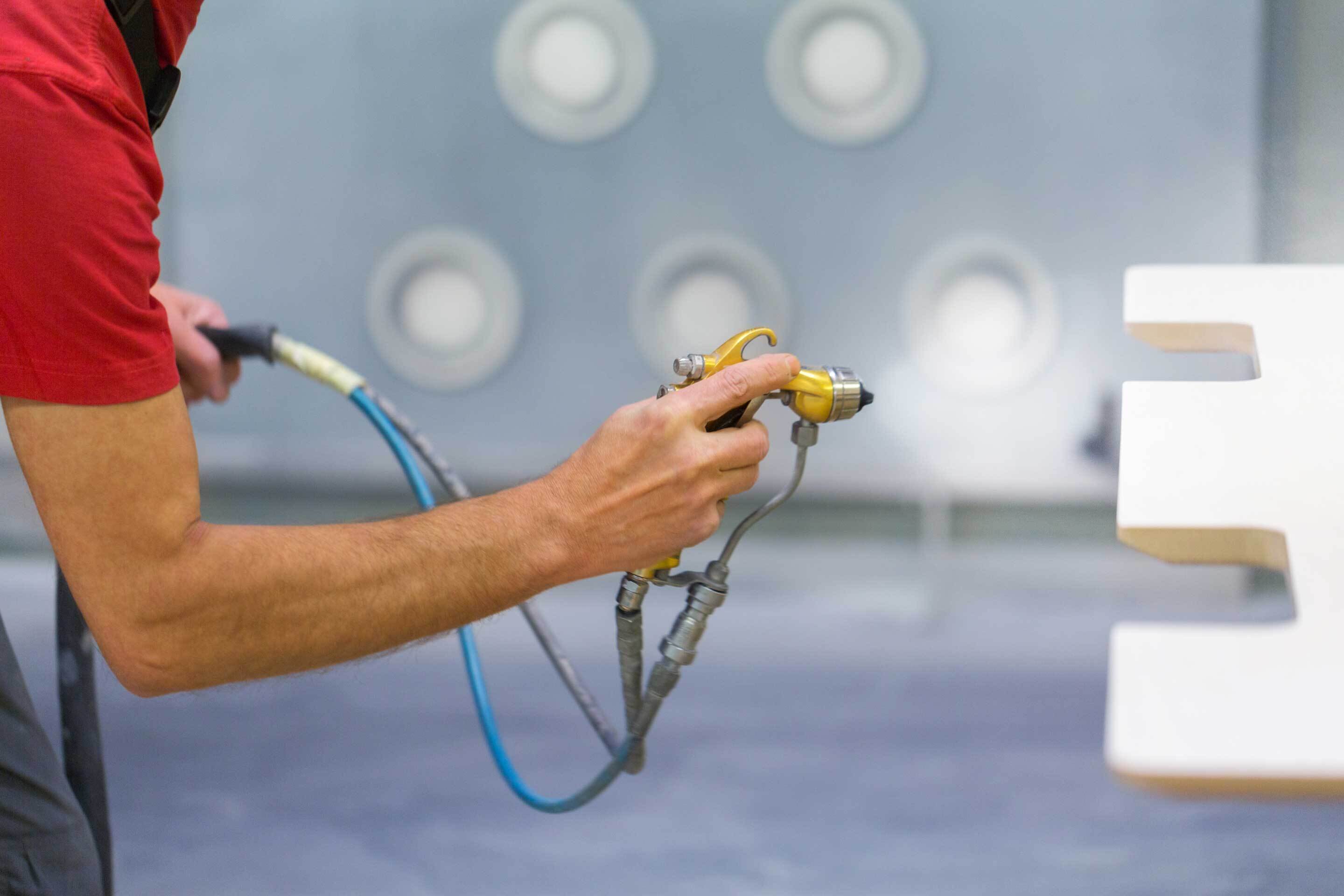
- Spraying and gluing.
- Food processing.
- Cleaning and maintenance.
- Chemical storage, loading, and transportation.
- Waste management.
- Soil remediation.
DESOTEC’s activated carbon filters purify VOC emissions and process gases from industries.
It’s vital to reduce VOCs and solvents in air emissions to protect occupational health, maintain air quality, and avoid contributing to climate change. DESOTEC’s simple mobile filtration solutions can help industries protect people’s health and the planet.
Helping you comply
To keep the air we breathe fresh and clean, companies must comply with strict VOC regulations.
At the European level, the Industrial Emissions Directive (IED) incorporates both the VOC Solvents Emissions Directive and the Integrated Pollution Prevention and Control (IPPC) Directive. The National Emissions Ceiling (NEC) sets VOC reduction commitments for each EU member state.
At the national level, there are country-specific laws such as TA Luft in Germany, and certain regions or localities may have their own regulations too. Finally, local environmental authorities set the terms of factory operating licences.
As scientists reveal more about the impacts of VOCs and solvents, legislators will tighten their emission limits accordingly. DESOTEC’s mobile activated carbon filtration services ensure your company’s VOC compliance, thus future-proofing your business.
Frequently Asked Questions about VOCs and Solvents
-
Air emissions containing volatile organic compounds (VOCs) are released by industrial activities such as: chemical manufacturing processes; reactions in plastics and composites manufacturing; spraying and glueing; food processing; cleaning and maintenance; chemical storage, loading and transportation; waste management; and soil remediation.
There are thousands of different VOCs, many generated naturally, including:
- Solvents, often used as coatings or cleaning products, such as acetone, butyl acetate, xylol, butanol, and ethyl benzene.
- Halogenated organic compounds, which contain chlorine, bromine, fluorine, or iodine, e.g. methyl dichloride or dichloromethane (DCM) and mono-chlorobenzene (MCB).
- Fossil fuel derivatives: mineral oils, bitumens, plastics: polyaromatic hydrocarbons (PAH) and BTEX (benzene, toluene, ethylbenzene and xylenes), siloxanes and terpenes.
-
VOCs and solvents must be removed from air emissions to protect the environment, reduce odours, safeguard occupational health, and avoid damage to downstream machinery.
- VOCs are a leading cause of ground-level air pollution, which poses a health risk.
- Non-methane VOCS (NMVOCs) are ozone precursors: they react with nitrogen oxides (NOx) in the presence of sunlight (UVs) to form tropospheric (ground-level) ozone, or smog, which is a greenhouse gas.
- BTEX and chlorinated compounds such as DCM also pose an environmental risk due to their toxicity.
- Odorous VOCs and solvents include terpenes, styrene, alkanes and naphthalene, which all create an unpleasant environment for site workers and neighbours.
- VOCs that pose an occupational health risk include benzene and DCM, which are known or suspected carcinogens, and acetone.
- Lastly, VOCs that damage machinery include siloxanes and terpenes in biogas, which can corrode combined heat and power (CHP) machines or the membranes used for upgrading into biomethane.
-
Activated carbon adsorption enables companies to comply with relevant laws such as the EU’s Industrial Emissions Directive (IED), which incorporates the VOC Solvents Emissions Directive (SED) and the Integrated Pollution Prevention and Control Directive (IPPC). Reduction commitments for each EU member state are set by the National Emissions Reduction Commitment (NEC) Directive. There are also country-specific and regional laws such as Germany’s TA Luft.
DESOTEC’s solutions can help your company comply with the terms of your factory operating licence at all times. Our solutions are modular, so can be expanded if legislation is tightened in the coming years, future-proofing your business. They can be deployed rapidly in emergencies such as odour complaints to keep your business running. Finally, compliant filtration waste handling is included in DESOTEC’s service, saving you the hassle of specialist waste disposal.
-
Activated carbon filtration is recognised as the Best Available Technology (BAT) for many VOC abatement applications, and is often the most cost-effective and sustainable option – but it does depend on various factors.
For example:
- Where production is discontinuous, activated carbon is generally more cost-effective than alternatives such as thermal oxidisers (RTOs).
- If you prefer to have no capex costs, our solutions are supplied on a rental basis whereas many alternatives require upfront investment.
- If space is tight, DESOTEC filters have a smaller footprint than most alternatives.
- For short-term usage, our filters are mobile and rental – unlike more permanent installations such as RTOs.
- If treatment is needed immediately, our filters can be delivered fast and are plug-and-play – some alternatives have a lengthy lead-in time.
- If your needs might change in the future, our systems are modular – other technology might be less adaptable.
DESOTEC is keen to help customers find the best treatment for their needs, and our experts will tell you if they think an alternative technology might be more suitable than activated carbon.
-
Activated carbon is a very versatile technology, so there are many ways to optimise set-ups – e.g. placing filters in series, using different carbon grades, or combining filters with complementary technology such as scrubbers.
DESOTEC’s experts carry out testing, advise on set-up design, and offer ongoing support as part of our full-service solution. Our activated carbon filtration solutions have a low total cost of ownership (TCO): they have minimal capex costs, and our service includes maintenance, upgrading, and sustainable carbon waste handling. We install and exchange filters rapidly, minimising downtime and helping to keep complex projects on track. Waste carbon is reactivated wherever possible, reducing your TCO and your carbon footprint.
How we help you
DESOTEC sustainable mobile filtration solutions
Busy companies need one point-of-contact for all their filtration needs. DESOTEC offers full-service mobile solutions that include everything, from purification needs assessment to filter set up to waste handling.
Activated carbon is certified as the Best Available Technology (BAT) for many VOC and solvent applications. Set-ups are tailored to your needs, and our filters function as standalone treatments or in combination with other technologies. They are plug-and-play and modular, making them both simple and adaptable.
We transport all filtration waste in closed units away from customers’ sites. All adsorbed molecules are completely destroyed and, where possible, carbon is reactivated, giving you a circular solution that boosts your business profits and environmental responsibility. Where reactivation is impossible, waste is treated safely. Our R&D team is continually seeking new treatment solutions to further enhance sustainability.
DESOTEC team has been helpful. They guided us toward the most effective solution for our air emissions problem. Filters were quickly installed and functional.
Our filtration solutions
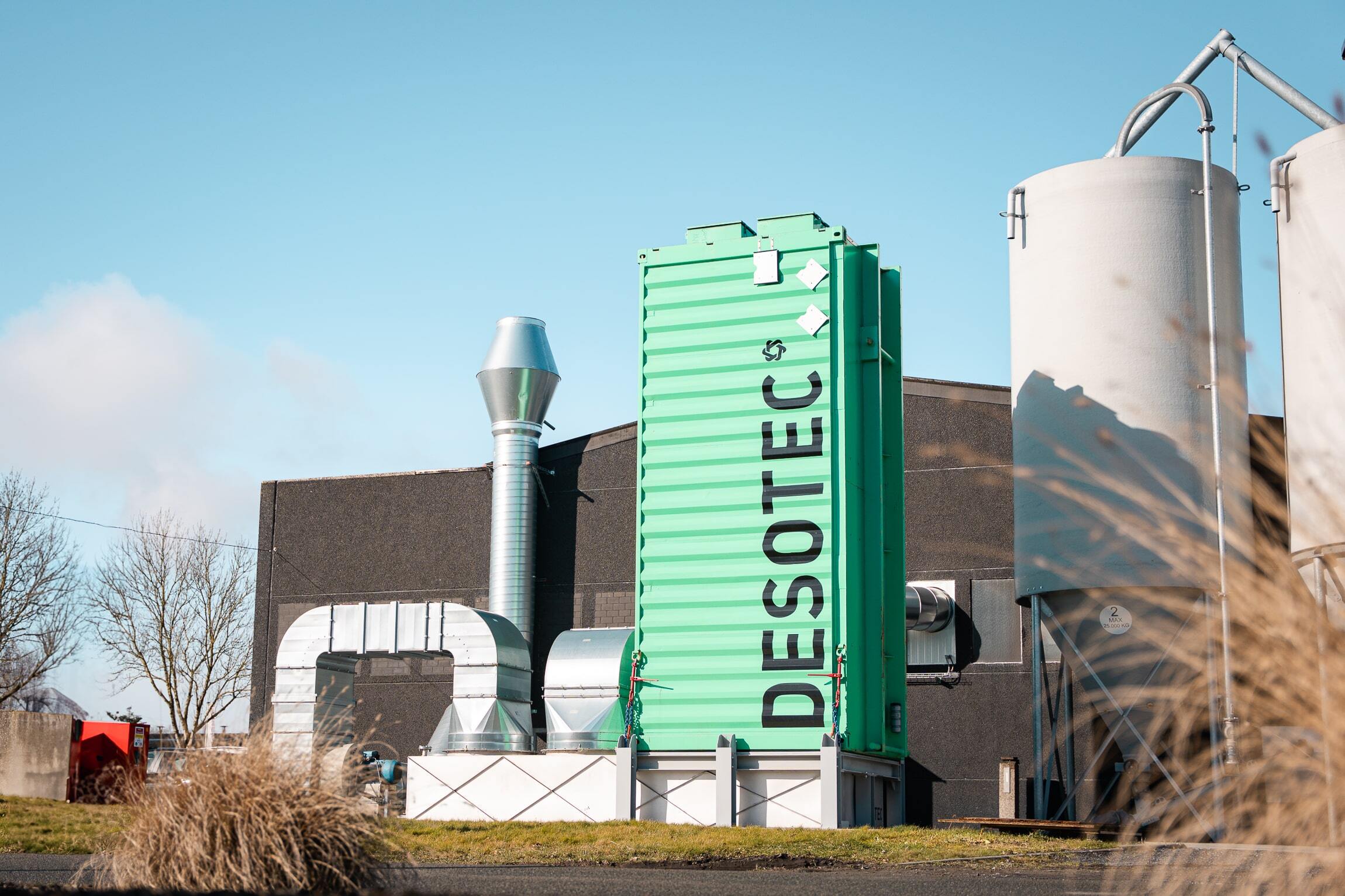
Flexible, mobile and modular solutions with sustainable waste handling and 24/7 support. With DESOTEC by your side, it’s easy to go green.
-
Industries we help
We partner with companies in a variety of sectors, adapting our modular filtration solutions to your unique needs. -

Our unique service
Our closed-loop, full-service model is as unique as your business needs. We’ll define the right filtration setup and safely recycle filtration waste, making it easy to go green. -

Your sustainability journey
We care about protecting our air, water and soil for future generations, just like you. Our filtration solutions help you meet environmental standards, reducing your carbon footprint.